
From Sting to Steam: Can a Sauna Help with Jellyfish Stings?
If you spend enough time in the waters around Panglao, a run-in with a jellyfish is almost a rite of passage. Most of us reach for the vinegar, but there’s a powerful recovery tool right on the shore that many divers overlook: Heat.
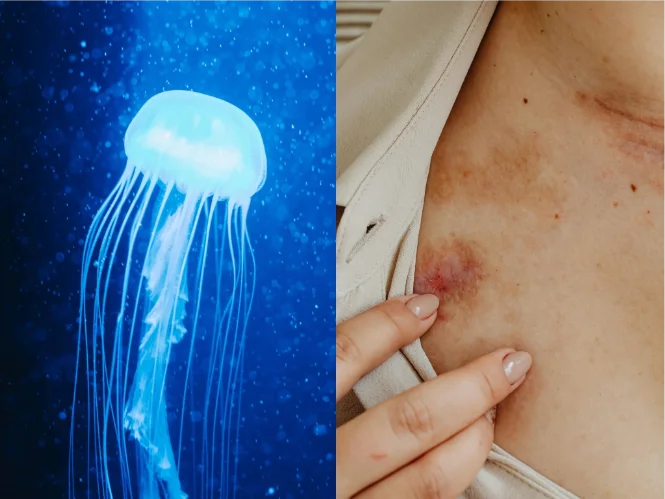
The Science of Heat vs. Venom
Jellyfish venom is composed of proteins that are heat-labile. This means that when exposed to high enough temperatures—specifically between 43°C and 45°C—those venom proteins begin to denature (break down). (Note: Our authentic wood-fired and electric saunas easily exceed this, regularly reaching 70°C+!)
While most people's first instinct is to "ice it," research shows that heat is actually far more effective at neutralizing the toxin and stopping the pain of most common stings.
Why the Sauna Works
The controlled, intense heat of a sauna can help in two ways:
- Inactivating Toxins: By raising the skin temperature, the sauna helps neutralize the stinging cells that have already entered your system.
- Increased Circulation: The heat dilates your blood vessels, helping your body process and flush out the "foreign" proteins faster.
The Golden Rule: Vinegar First, Heat Second
Before you step into the sauna, there is one critical step you cannot skip: The Rinse.
NEVER rinse with fresh water before the tentacles are removed. The change in osmotic pressure will cause any unfired stinging cells to explode, releasing more venom.
The Protocol:
- Rinse with vinegar (or seawater if vinegar isn't available)
- Carefully remove the tentacles
- Use the sauna heat to manage the pain and neutralize the remaining venom
Next time you have a "spicy" encounter during a dive, don't just endure the itch. Head to the sauna, let the heat do the work, and get back to your perfect recovery.
Found this helpful? Come visit us at We Sell Rest in Panglao for a recovery session that handles everything from sore muscles to stinging cells.